
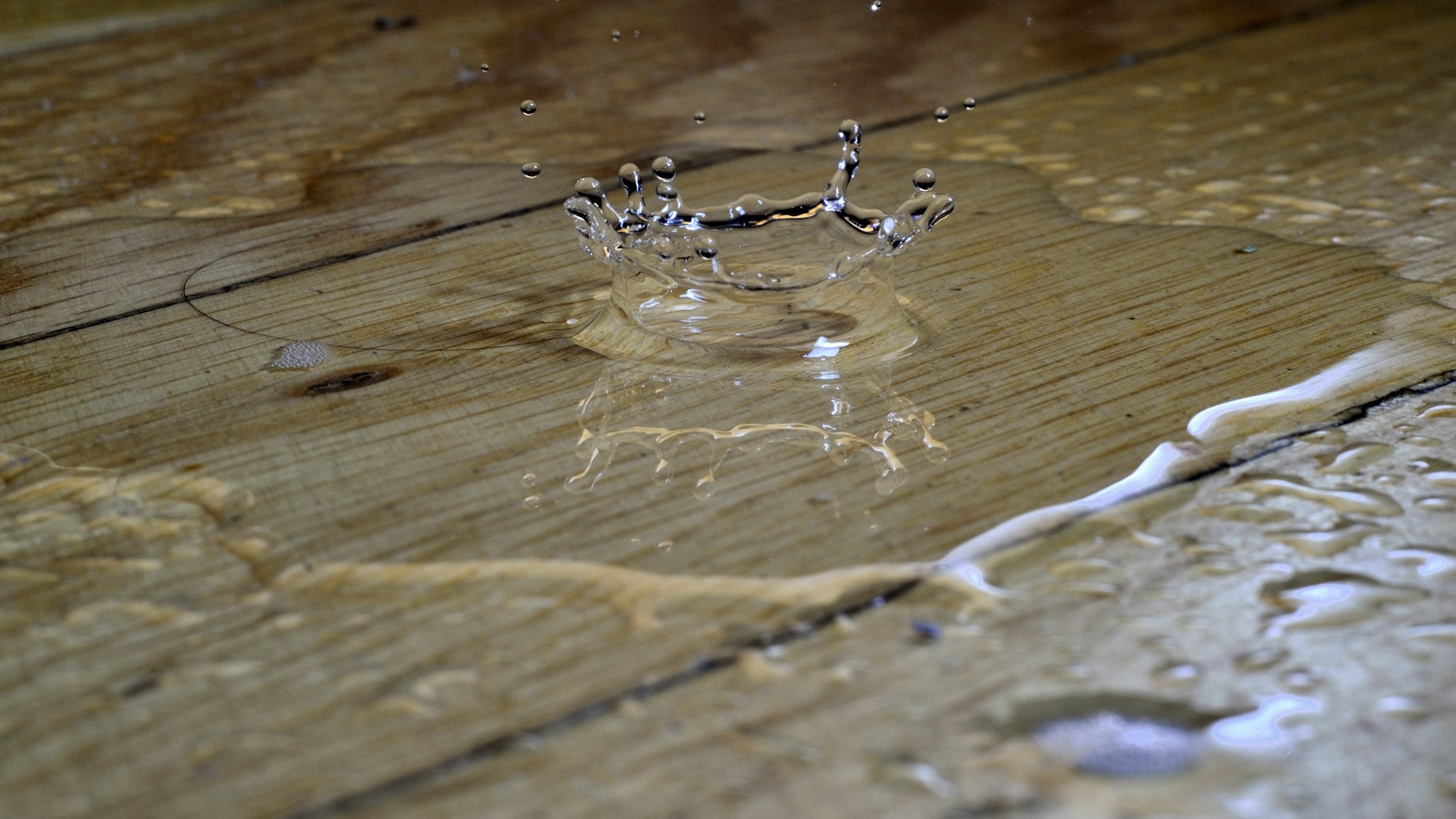
When water gets into your home, the clock starts and it doesn't stop. It doesn't matter if it was a burst pipe, a heavy storm or the A/C: what isn't dried within 24 to 48 hours ends in mold. The EPA says it again and again, and in Central Florida we see it every week.
Why you can't wait
Water travels where no one looks: it slips into walls, runs under the floor and spreads along the slab. In a block-and-slab home, like most here, it doesn't soak in; it stays. By 48 hours conditions are right for mold, and moisture weakens the structure.
| Source | Typical sign | Risk if you wait |
|---|---|---|
| Burst pipe | Higher water bill | Soft floor and hidden mold |
| Storm or flood | Water in garage or patio | Moisture in slabs and walls |
| Air conditioning | Musty smell | Mold in ducts and closets |
| Washer or water heater | Swollen baseboard | Contaminated drywall |
What to do while the crew arrives
- Stop the source if you can (close the valve).
- Turn off the A/C if water may have reached the ducts.
- Don't step on wet cables or outlets.
- Take photos for your report.
How we solve it at Eco Prime
- Inspection and thermal imaging. We find the water where it's not visible.
- Extraction. We remove the water with professional equipment.
- Drying and dehumidification. We dry the structure with readings.
- Verification. We confirm in writing that everything is dry.
«If wet materials are not dried within 24 to 48 hours, in most cases mold will grow.» — EPA
Don't let a moisture problem become a health problem. Tell us what happened and we'll come today: the sooner we start, the less material has to be removed and the less it costs.